Stop the Shock: Avoiding Costly Electrical Mistakes During Home Renovations
Renovating your home is a thrilling journey of transformation. Whether you’re finally knocking through that wall to create an open-plan kitchen or turning a dusty loft into a sleek home office, the excitement is palpable. But beneath the fresh plaster and trendy Farrow & Ball paint lies the heartbeat of your home: the electrical system.
Sadly, for many homeowners in Liverpool and the Wirral, the "spark" of a renovation can quickly turn into a high-voltage nightmare. Electrical mistakes are among the most common, expensive, and—most importantly—dangerous errors made during property upgrades. From flickering lights to invalidated insurance and house fires, the stakes couldn't be higher.
In this guide, we’ll walk you through the most frequent renovation mistakes and, more importantly, how you can avoid them to ensure your dream home stays safe, compliant, and powered for the future.
1. The "Invisible" Error: Skipping the Pre-Renovation Audit
One of the biggest electrical mistakes occurs before a single hammer is swung. Many homeowners assume their existing wiring can simply "handle" the extra load of a new induction hob or a power-hungry media wall.
The Mistake: Jumping into demolition without an Electrical Installation Condition Report (EICR). If your wiring is over 25 years old, it may not have an earth wire in the lighting circuit or might still be using outdated rubber insulation that’s prone to crumbling.
How to Avoid It:
Book an EICR: Before the builders arrive, have a qualified expert like Dan Electrician perform a full safety check. This identifies "hidden" hazards like DIY "bodge jobs" from previous owners.
Assess Capacity: Your consumer unit (fuse box) is the brain of your home. Ensure it has enough "ways" (space) for new circuits. If it’s an old-style fuse box with rewirable wire, it likely needs upgrading to a modern RCD-protected unit.
2. The DIY Disaster: Ignoring Part P Regulations
We all love a bit of DIY, but when it comes to electricity, "having a go" can be a criminal offence. In the UK, electrical safety in dwellings is governed by Part P of the Building Regulations.
The Mistake: Carrying out "notifiable" work yourself. This includes installing a new circuit, replacing a consumer unit, or any work in "special locations" like bathrooms or saunas. Doing this yourself doesn't just risk your life; it makes your home legally "unsaleable" without proper certification.
How to Avoid It:
Hire an NICEIC-Approved Professional: A registered electrician can self-certify their work and notify Building Control on your behalf.
Keep Your Paperwork: Always demand an Electrical Installation Certificate (EIC) or a Minor Works Certificate upon completion. You will need these when you sell or remortgage your property.
Pro Tip: If a contractor tells you "you don't need a certificate for this," they are likely not registered. Walk away.
3. Underpowering Your Life: Poor Socket & Lighting Placement
There is nothing more frustrating than finishing a £20,000 kitchen renovation only to realise you’re using an extension lead to reach the toaster.
The Mistake: Placing sockets and switches based on where they used to be, rather than how you will actually use the room. This leads to "socket fatigue" and dangerous "daisy-chaining" of extension leads.
How to Avoid It:
The Rule of Threes: In high-use areas like kitchens and bedrooms, always plan for three more sockets than you think you need.
Think Ergonomically: Plan for USB-integrated sockets at bedside height and "hidden" sockets inside cupboards for hoovers or charging stations.
Layer Your Lighting: Don't just stick four spotlights in the middle of the room. Think about Ambient (general), Task (over the counter), and Accent (LED strips in alcoves) lighting.
4. The "Cheap Fix" Trap: Using Non-Certified Components
With the rise of cheap online marketplaces, it’s tempting to save £50 by buying designer-look switches or "bargain" LED downlights from unverified sellers.
The Mistake: Using components that don't meet BS 7671 (UK Wiring Regulations) standards. These items often lack proper heat dissipation or internal shielding, making them a significant fire risk.
How to Avoid It:
Buy Local & Certified: Only use reputable UK wholesalers or let your electrician supply the materials.
Check for the Mark: Look for the CE or UKCA marks, but remember that even these can be faked on low-quality imports. Trusting a professional’s supply chain is your safest bet.
5. Future-Proofing Fails: Forgetting Tomorrow’s Tech
A renovation is the only time you’ll have the floorboards up and walls chased out. If you don't plan for the next five years now, you’ll pay double to add it later.
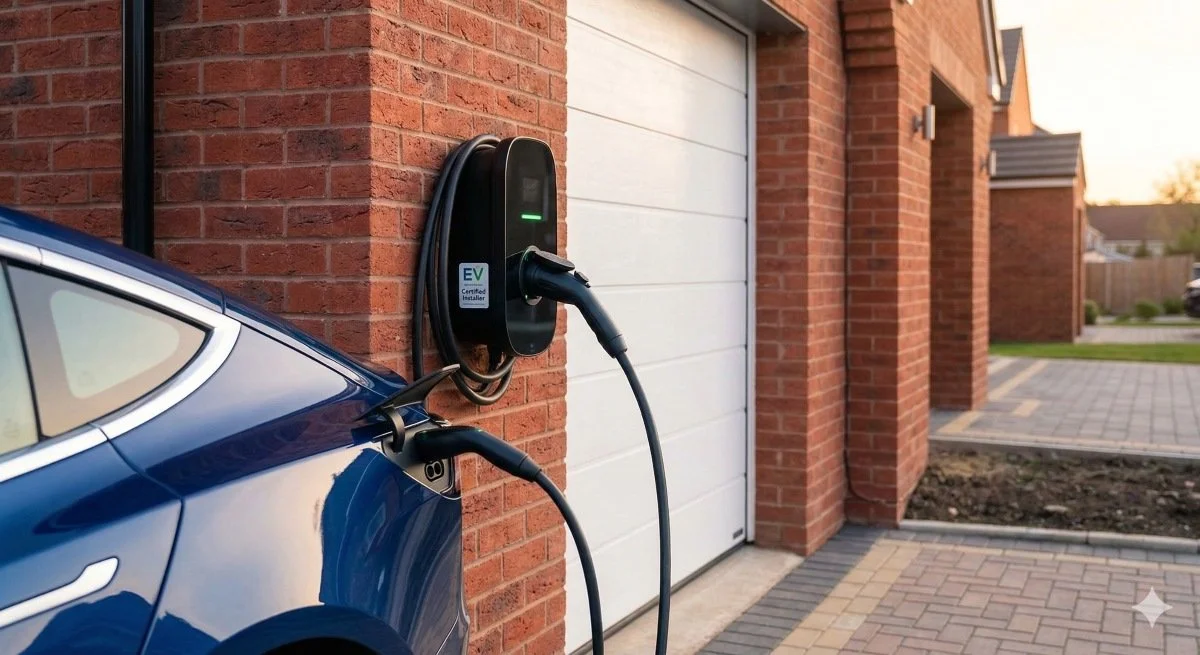
The Mistake: Only wiring for today’s needs.
How to Avoid It:
EV Readiness: Even if you don't have an electric car yet, have your electrician run the heavy-duty cabling for an EV Charger while the driveway or garden is being dug up.
Hardwired Data: Wi-Fi is great, but for a home office or gaming room, nothing beats a hardwired Cat6 ethernet cable.
Smart Home Hubs: Ensure there is a neutral wire at your light switches—many smart switches require one to function.
Conclusion: Don't Let Your Dream Home Become a Hazard
Home renovations are about improving your quality of life, but that foundation must be built on safety. Avoiding these common electrical mistakes isn't just about following rules—it’s about protecting your family and your biggest financial asset.
At Dan Electrician, we’ve helped hundreds of Liverpool and Wirral homeowners navigate complex renovations with ease. From initial safety audits to final certifications, we ensure your project is "bright" for all the right reasons.
Ready to start your renovation the right way?
Click here to book your Pre-Renovation Electrical Audit with Dan Electrician today!