Outside Electrical Installation in Winter
Can you install outdoor electrics in the rain? Discover the essential safety rules, IP rating guides, and winter installation tips to keep your home powered and safe this season.
Introduction: When Water Meets Watts
Winter is arguably the time when we need reliable outdoor electricity the most. The days are shorter, calling for security lighting to guide us to the front door. The festive season demands holiday lighting displays. Perhaps you've even bought an Electric Vehicle (EV) and need a charging point installed to keep moving through the cold months.
However, glancing out the window at the driving rain or frozen ground often leads homeowners to ask a critical question: "Is it safe to perform outside electrical installations in rainy or winter conditions?"
We all know the golden rule of physics: water and electricity do not mix. But does that mean all work must cease until spring? Not necessarily. While DIY attempts in wet weather are a recipe for disaster, professional electrical installation during winter is entirely possible—provided strict protocols, correct equipment, and safety standards are met.
In this guide, the Dan Electrician team breaks down everything you need to know about weather-proofing your power, understanding the "waterproof" ratings, and why winter might actually be the perfect time to upgrade your exterior electrics.
Can You Install Electrics in the Rain? The Safety Reality
The short answer is: It depends on the severity of the weather and the method of installation.
While we never work on live circuits exposed to direct rainfall, professional electricians use specific techniques to ensure work can continue safely during the damp winter months.
1. The Dangers of Moisture
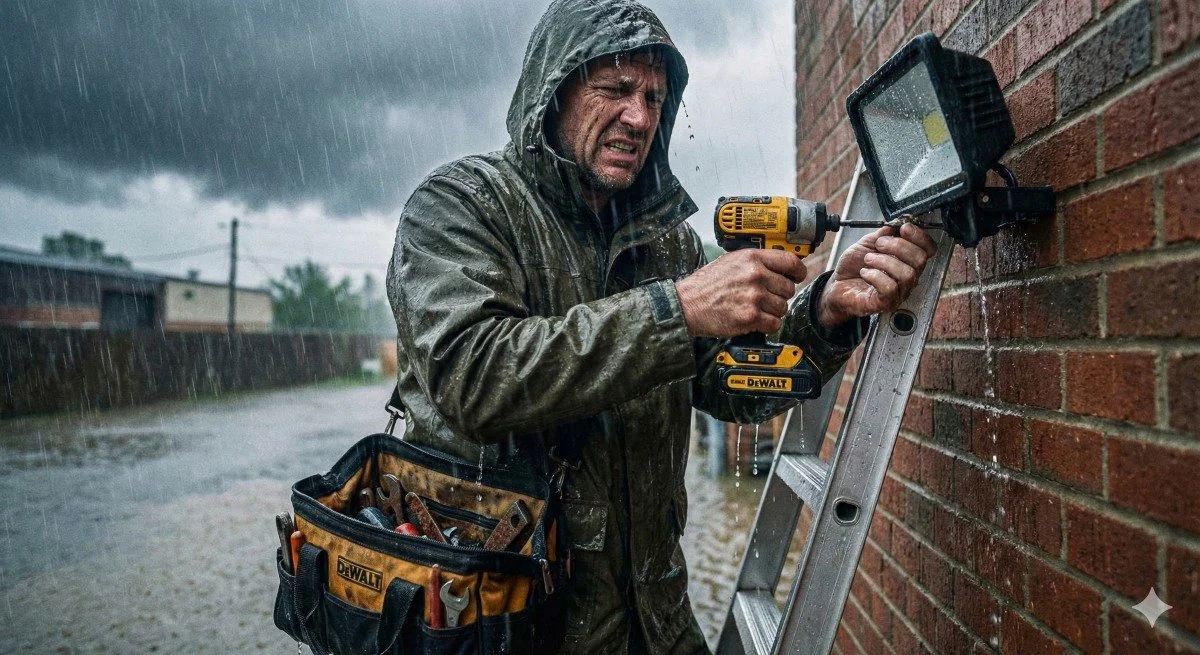
The primary risk isn't just getting shocked (though that is a major one). Moisture trapped inside a component during installation can cause:
Corrosion: Rusting contacts leading to resistance and fire hazards later.
Short Circuits: Immediate tripping of your RCD (Residual Current Device).
Long-term Failure: Water ingress that expands when frozen, leading to cracked casings.
2. How Professionals Manage the Risk
When you hire Dan Electrician for a winter install, we don't just "hope for the best." We utilise:
Temporary Shelters: Pop-up gazebos or tarpaulins to keep the specific working area bone dry.
Isolation: We isolate the supply at the consumer unit (fuse box) indoors, ensuring no power flows to the outside until the unit is completely sealed and watertight.
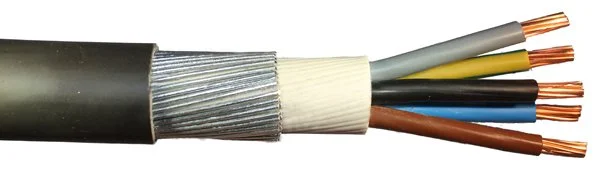
Cable Preparation: We use cables specifically designed to resist temperature fluctuations and moisture (like SWA - Steel Wire Armoured cable).
Pro Tip: Never attempt to repair an outdoor extension lead or fix a garden light while it is raining. Even if the power is off, moisture can get into the wires and cause a blow-out the moment you switch it back on.
The Science of "Waterproof": Understanding IP Ratings
If there is one thing you take away from this article, let it be an understanding of IP Ratings. You will see these numbers on every piece of outdoor electrical equipment, from sockets to floodlights.
IP stands for Ingress Protection. It consists of two numbers (e.g., IP65).
The First Digit (Solids): Protection against dust and dirt (Scale 0-6).
The Second Digit (Liquids): Protection against water (Scale 0-9).
For any outside electrical installation in the UK or regions with wet winters, you generally need equipment that meets the following:
IP44 (Splash Proof): Okay for sheltered areas (like under a porch). It can handle water spraying from any direction, but it isn't meant for heavy jets or submersion.
IP65 (Jet Proof): The gold standard for garden lighting and exposed sockets. It can withstand low-pressure water jets (heavy rain) from any angle.
IP67/IP68 (Immersion): Required for anything installed in the ground (like decking lights) or ponds, where the unit might be temporarily or permanently submerged in water or snowmelt.
The Dan Electrician Rule: We rarely install anything below IP65 for exposed garden work to ensure longevity against driving winter rain.
Specific Winter Installation Challenges (And Solutions)
Installing electrics in July is easy. Installing them in December presents unique environmental hurdles.
1. The Frozen Ground Issue
If you are looking to run power to a garden office or shed, we need to bury cables. Regulations (such as BS 7671 in the UK) require cables to be buried at a sufficient depth (usually 600mm) to prevent accidental damage.
The Challenge: Digging trenches in frozen or waterlogged soil is difficult and messy.
The Solution: We use Steel Wire Armoured (SWA) cables, which offer high mechanical protection. If the ground is too frozen to dig, we may recommend containment systems (conduit) along walls or fences as a temporary or permanent alternative.
2. Brittle Cables
Standard PVC insulation can become stiff and brittle in freezing temperatures. Bending a cold cable can cause the insulation to crack, exposing the live copper inside.
The Solution: Professionals store cables in a warm environment (the van or indoors) until the moment of installation and handle them with care to prevent microscopic cracks.
3. Daylight Hours
With the sun setting as early as 4:00 PM, complex installations often run into the dark.
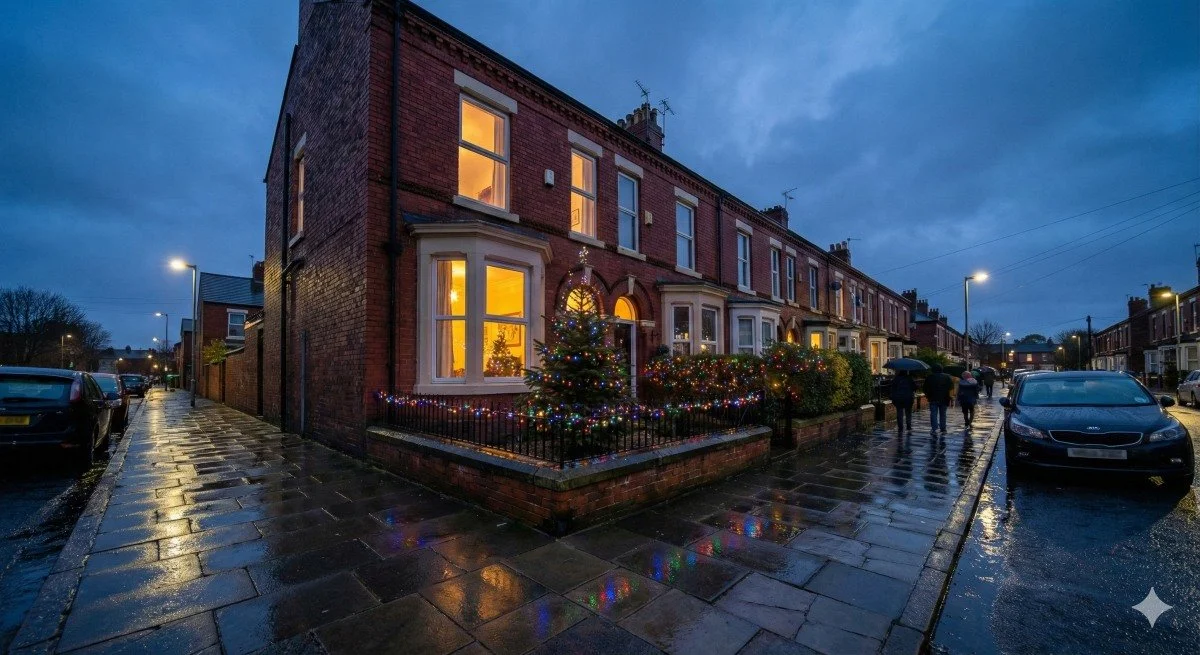
The Solution: We bring our own battery-operated site lighting. However, for homeowners, this means you should book your electrician early in the season or expect the work to potentially span across two days.
Top 3 Winter Electrical Upgrades
Despite the weather, winter is actually a popular time for specific upgrades. Here is what is trending at Dan Electrician:
1. Outdoor Security Lighting
Dark evenings increase the risk of burglary.
Recommendation: Motion-sensor LED floodlights. They are energy-efficient and activate instantly when movement is detected.
Installation Note: These must be angled correctly to avoid "light pollution" into neighbours' windows while covering your blind spots.
2. Weatherproof Outdoor Sockets
Essential for holiday lights, pressure washers, and car vacuums.
Recommendation: A lockable, IP66-rated double socket with an RCD (safety trip switch) built in. (If your consumer unit operates an RCD or RCBO, don’t install additional RCD)
Why: This adds an extra layer of safety. If water gets into your Christmas lights, the socket cuts the power locally rather than tripping the main power to your house and turning off your freezer!
3. EV Charging Points
EV batteries struggle in the cold, often requiring longer charging times.
Recommendation: A dedicated 7kW home charger.
Winter Benefit: Smart chargers allow you to "pre-condition" your car while it's plugged in, warming the battery and the cabin using mains electricity so you don't lose range driving off in a cold car.
Maintenance: Winterising Your Existing Electrics
If you aren't planning a new installation, you still need to protect what you have.
Inspect Seals: Check the rubber gaskets on existing outdoor lights. Over the summer, UV rays can dry them out. If they look cracked, water will get in this winter.
Clear Debris: Ensure leaves aren't piling up around ground-level lights or outdoor transformers. Wet leaves create a soggy "blanket" that can cause overheating or water ingress.
Test your RCD: Press the "Test" button on your fuse box or outdoor socket. It should snap off instantly. If it sticks or delays, call a professional immediately.
Why Choose Dan Electrician?
Electricity is dangerous. Electricity in the rain is lethal.
While you might be tempted to run an extension cord through a window for your holiday lights, this compresses the cord, creates a fire hazard, and leaves a gap for freezing drafts.
At Dan Electrician, we provide:
Certified Safety: All work complies with the latest Wiring Regulations.
Weather-Ready Gear: We come equipped for the mud, rain, and cold, so you don't have to worry.
Peace of Mind: We provide certification for all outdoor works—vital for your home insurance validity.
Summary: Stay Safe, Stay Powered
Don't let the weather dictate your comfort or safety. Outside electrical installation in rainy and winter conditions is not only possible but, when done correctly, ensures your home remains secure and functional through the darkest months.
From understanding IP65 ratings to choosing the right armoured cabling, the secret lies in professional preparation and respect for the elements.
Key Takeaways:
Avoid DIY electrical work in wet conditions.
Ensure all outdoor equipment is rated at least IP44 (sheltered) or IP65 (exposed).
Install RCD protection for all outdoor circuitsReady to weather-proof your home?
If you need outdoor sockets for your festive display or security lighting for those dark driveways, Dan Electrician is ready to help.
Contact Us Today for a free, no-obligation quote and let's get your outdoor space powered up safely.