The "Five-Year Rule": How Old is Too Old for Your Liverpool Home?
If you’ve lived in Liverpool for a while, you know our city is famous for its history—from the iconic terraced streets of Toxteth to the grand villas of Woolton. But while history is great for architecture, it’s often a nightmare for electrical safety.
Our most popular post ever was about the "Five-Year Rule," and in 2026, the questions are rolling in faster than ever. Is my fuse box still legal? Do I really need an inspection every five years? When does "vintage" wiring become "dangerous" wiring?
Today, we’re diving deep into the 2026 standards, the brand-new Amendment 4 regulations, and why the "Five-Year Rule" is the most important deadline in your calendar.
What is the "Five-Year Rule" in 2026?
The "Five-Year Rule" refers to the maximum interval recommended for a formal Electrical Installation Condition Report (EICR). However, depending on who you are, this "rule" is either a helpful suggestion or a strict legal requirement.
1. For Liverpool Landlords (Private & Social)
As of May 2026, the law has tightened. It is now a strict legal requirement for all rental properties—including social housing—to have a valid EICR every five years. If you haven't had your property inspected since 2021, you are likely out of compliance and facing significant fines.
2. For Homeowners
While there is no "electrical police" for homeowners, the BS 7671 (Amendment 4) guidelines released in April 2026 suggest that domestic installations should be tested every 10 years. However, we recommend the 5-year check for Liverpool homes over 30 years old. Why? Because older insulation (like the rubber-coated wiring common in Anfield or Kensington) degrades significantly faster under modern electrical loads.
How Old is "Too Old"? The Lifespan of Your Electrics
Everything has an expiry date. Your milk, your MOT, and yes—your wiring. Here is the expert breakdown of when components become a risk:
Component Average Lifespan
The "Too Old" Sign Consumer Unit (Fuse Box) 20–25 Years Wooden backing, rewirable fuses, or no "Test" button.
PVC Wiring 30–40 Years. Cables feel brittle or "crunchy" when touched.
Socket Outlets 15–20 Years: Discolouration (yellowing) or plugs feeling loose.
Electric Showers 5–10 Years: Fluctuating temperatures or a "fishy" burning smell.
The 2026 Reality Check: Amendment 4
With the introduction of Amendment 4 to the 18th Edition, the focus has shifted toward Smart Home technology and Battery Storage. If your home was wired in the 90s, it simply wasn't designed to handle EV chargers, solar batteries, and high-speed data cables all running at once.
5 Warning Signs Your Electrics Are Failing
If your home hits any of these "Five-Year Rule" red flags, it’s time to call a qualified Liverpool electrician.
The "Fishy" Smell: This is often the smell of burning plastic or urea-formaldehyde from an overheating socket. It’s a precursor to a fire.
Flickering Lights: If your lights dim when the kettle or shower turns on, your circuits are likely overloaded or have loose connections.
The "Old School" Fuse Box: If you still have to "rewire" a fuse with a piece of wire, you lack RCD protection. In 2026, this is considered a major safety deficiency.
Tripping Switches: If your consumer unit trips once a week, it’s not a "quirk"—it’s a safety device telling you there is a fault.
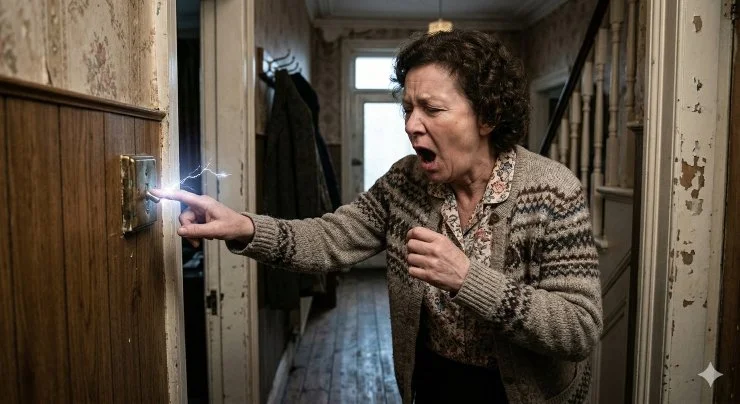
Lack of Earthing on Lights: Many older Liverpool homes lack an earth wire in the lighting circuit. If you have metal light switches, this could literally be a "shocking" hazard.
Why 2026 is a Big Year for Liverpool Residents
This year, the IET Wiring Regulations (BS 7671:2018+A4:2026) became the new gold standard. The update places heavy emphasis on:
Arc Fault Detection Devices (AFDDs): Now highly recommended for bedrooms and high-risk areas to prevent fires before they start.
PoE (Power over Ethernet): New rules for how we wire our smart devices.
EV Charging Safety: Stricter earthing requirements for home charging points.
If your last inspection was "pre-Amendment 4," your certificate might not reflect the latest safety technology available to protect your family.
Actionable Tips: What You Can Do Today
You don't need to be an expert to maintain a safe home. Follow Dan’s 3-step DIY check:
Test the "T" Button: Go to your fuse box. Press the button marked "T" or "Test." If the power doesn't cut off instantly, your RCD is faulty. Call us immediately.
Visual Socket Check: Look for scorch marks or cracks. If the plastic is discoloured, the internal heat is too high.
Check Your Paperwork: Find your last EICR or Domestic Electrical Installation Certificate. If the date is more than 5 years ago, you are in the "amber zone."
Dan’s Pro Tip: "I’ve seen houses in Liverpool where the wiring was literally crumbling behind the walls, yet the lights still worked. Don't assume that 'power on' means 'safe house.' The Five-Year Rule exists to catch the invisible killers."
Conclusion: Don’t Wait for the Spark
The "Five-Year Rule" isn't about selling you a service—it’s about preventing the 20,000+ house fires caused by electrical faults in the UK every year. Whether you are a landlord staying compliant with 2026 laws or a homeowner looking for peace of mind, an EICR is the only way to know for sure.
Is your home overdue? Book your 2026 Electrical Safety Check with Dan Electrician today.
Serving all of Merseyside , from Crosby to Wirral. Stay safe, stay powered.